
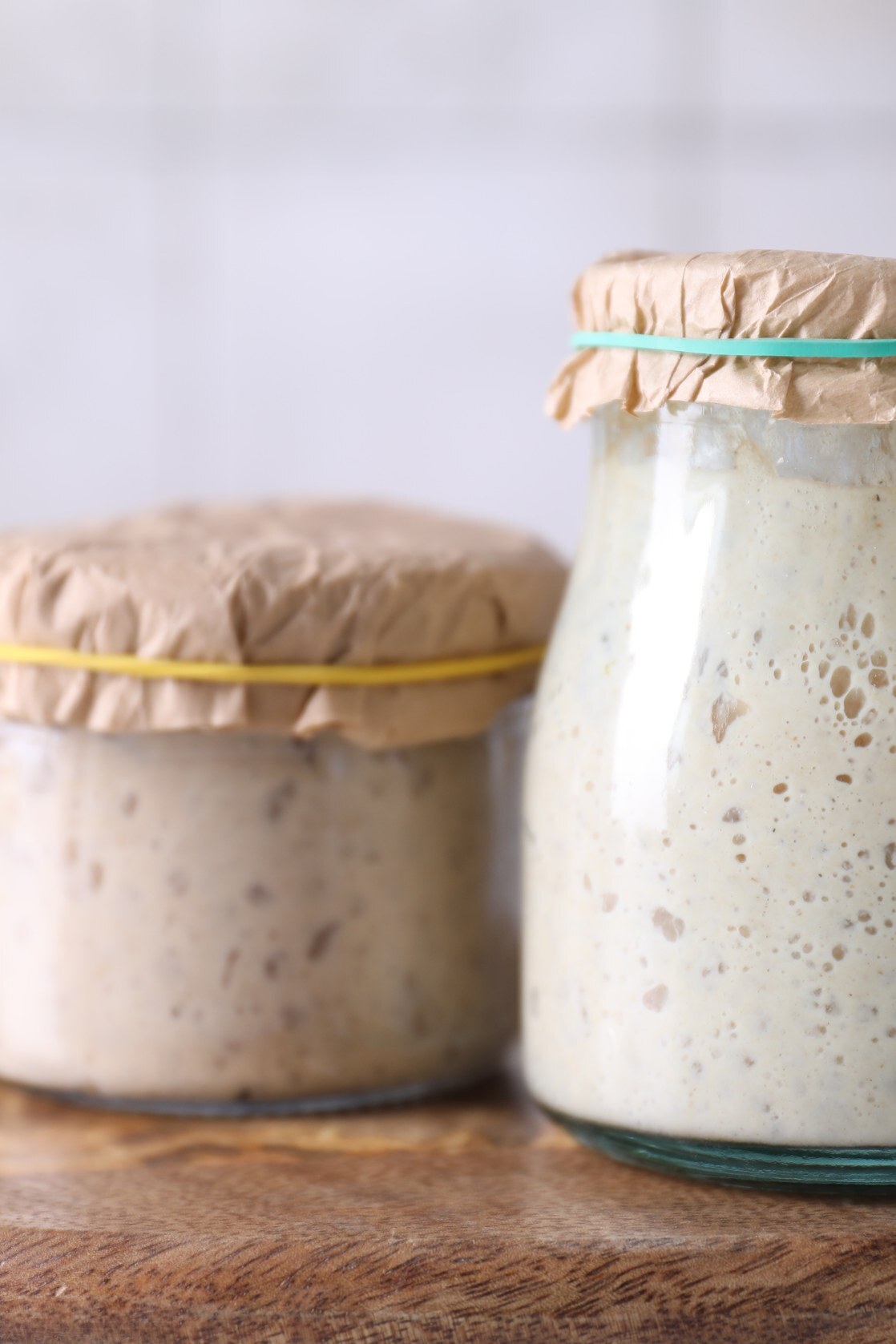
Levito Madre must be active and healthy before it can be used for baking.
Using a weak starter often results in poor fermentation, dense bread, and disappointing baking results.
Fortunately, there are several clear signs that indicate when Levito Madre is ready.
It Doubles in Volume
One of the most important signs is growth after feeding.
A healthy Levito Madre should increase significantly in size during fermentation.
Many bakers look for the starter to double in volume before using it in dough.
Consistent expansion shows strong yeast activity.
Visible Air Pockets
A mature starter should contain plenty of small air pockets.
These pockets are created by carbon dioxide produced during fermentation.
The interior should look light and well-aerated rather than dense and compact.
Good bubble development is a strong indicator of an active culture.
Pleasant Aroma
The aroma of Levito Madre can reveal a lot about its condition.
A healthy starter usually smells fresh, slightly sweet, and mildly fermented.
The scent should be pleasant and balanced.
Strong unpleasant odors may indicate that the starter needs additional feedings.
Elastic Texture
A strong Levito Madre should feel elastic and slightly springy.
The dough should hold its shape while remaining soft and flexible.
A dense or overly sticky texture may suggest that the starter is not yet fully developed.
Predictable Fermentation
Healthy Levito Madre behaves consistently after feeding.
It rises, develops bubbles, and reaches peak activity within a predictable period.
Reliable fermentation is one of the clearest signs that the starter is ready for baking.
When to Use Levito Madre
Many bakers use Levito Madre when it reaches its peak rise.
At this stage, the yeast activity is strongest.
Using the starter at peak activity can improve dough fermentation, oven spring, and crumb structure.
Common Mistakes
Levito Madre: Complete Guide to Italian Sourdough Starter
What Is Levito Madre? Complete Beginner's Guide
How to Create Levito Madre From Scratch
How to Feed Levito Madre Properly
One common mistake is using Levito Madre too early.
A starter that has not fully developed may struggle to ferment dough properly.
Another mistake is waiting too long after peak activity, when fermentation begins to slow down.
Timing is an important part of successful sourdough baking.
Learning to recognize the signs of a ready Levito Madre takes practice.
A starter that rises well, contains plenty of air pockets, smells pleasant, and behaves consistently is usually ready for baking.
With experience, identifying peak activity becomes much easier and more reliable.