
Summer can be challenging for sourdough bakers. When temperatures rise above 25–30°C (77–86°F), a sourdough starter ferments much faster than usual. It may peak too quickly, become overly acidic, or even weaken if not fed on time.
Fortunately, there are several simple ways to keep a sourdough starter healthy and active without using a refrigerator.
1. Keep a Smaller Amount of Starter
During hot weather, there is no need to maintain a large quantity of starter. Keeping only 5–10 grams of mature starter for the next feeding helps slow down fermentation and reduces flour waste.
A smaller starter is also easier to manage and refresh regularly.
2. Use Cool Water for Feedings
Using cool water instead of warm water can help moderate fermentation speed. While it will not stop the process, it can prevent the starter from reaching its peak too quickly during hot days.
3. Feed More Frequently
High temperatures accelerate yeast and bacterial activity. If your kitchen is very warm, your starter may require more frequent feedings than usual.
Pay attention to the starter itself rather than following a strict schedule. Feed it when it reaches its peak and begins to fall.
4. Find the Coolest Spot in Your Home
Even during summer, some areas of the house remain cooler than others. A pantry, a shaded room, or a location away from direct sunlight can make a noticeable difference.
Avoid placing your starter near windows, ovens, or other heat sources.
5. Wrap the Jar in a Damp Towel
An old but effective technique is to wrap the starter jar with a damp towel. As the moisture evaporates, it creates a mild cooling effect that can help stabilize the temperature around the starter.
This simple method works especially well during dry summer weather.
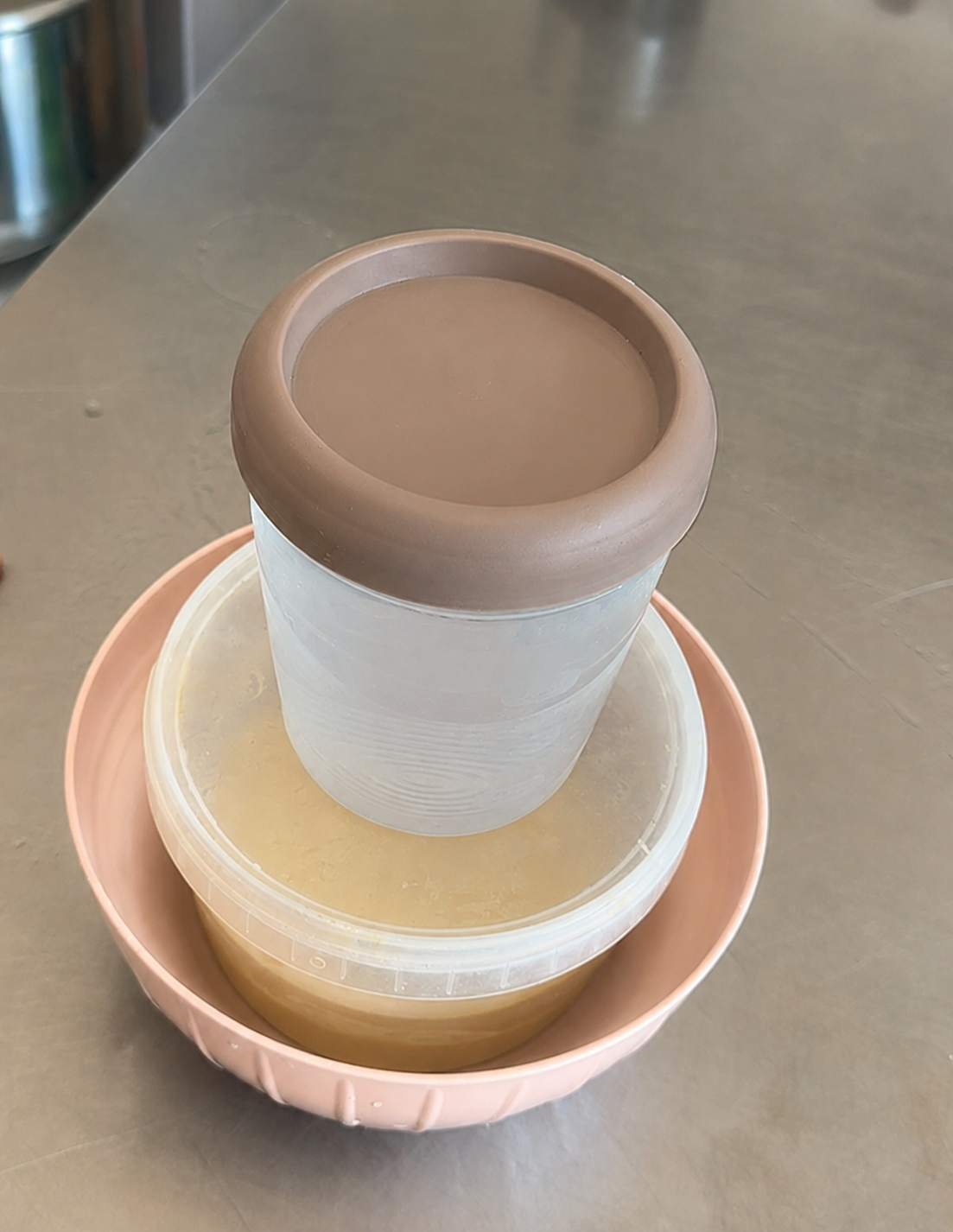
6. Place the Jar in a Bowl of Water
One of the easiest ways to protect a starter from overheating is to place the jar in a bowl or container filled with cool water.
Water changes temperature more slowly than air and helps buffer sudden heat spikes. If the jar tends to float, place a small weight on top to keep it stable.
This method can be surprisingly effective during very hot days when room temperatures become difficult to control.
Signs Your Starter Is Too Warm
A starter may be fermenting too quickly if you notice:
- It doubles in size unusually fast.
- It collapses shortly after peaking.
- It develops a strong alcohol smell.
- It becomes overly sour.
- It requires feeding much more often than normal.
These signs indicate that the starter is consuming its food supply too quickly.
Final Thoughts
Keeping a sourdough starter without a refrigerator is entirely possible, even during hot summer weather. By using cool water, feeding at the right time, choosing a cooler location, and applying simple cooling techniques, you can maintain a healthy and active starter throughout the season.
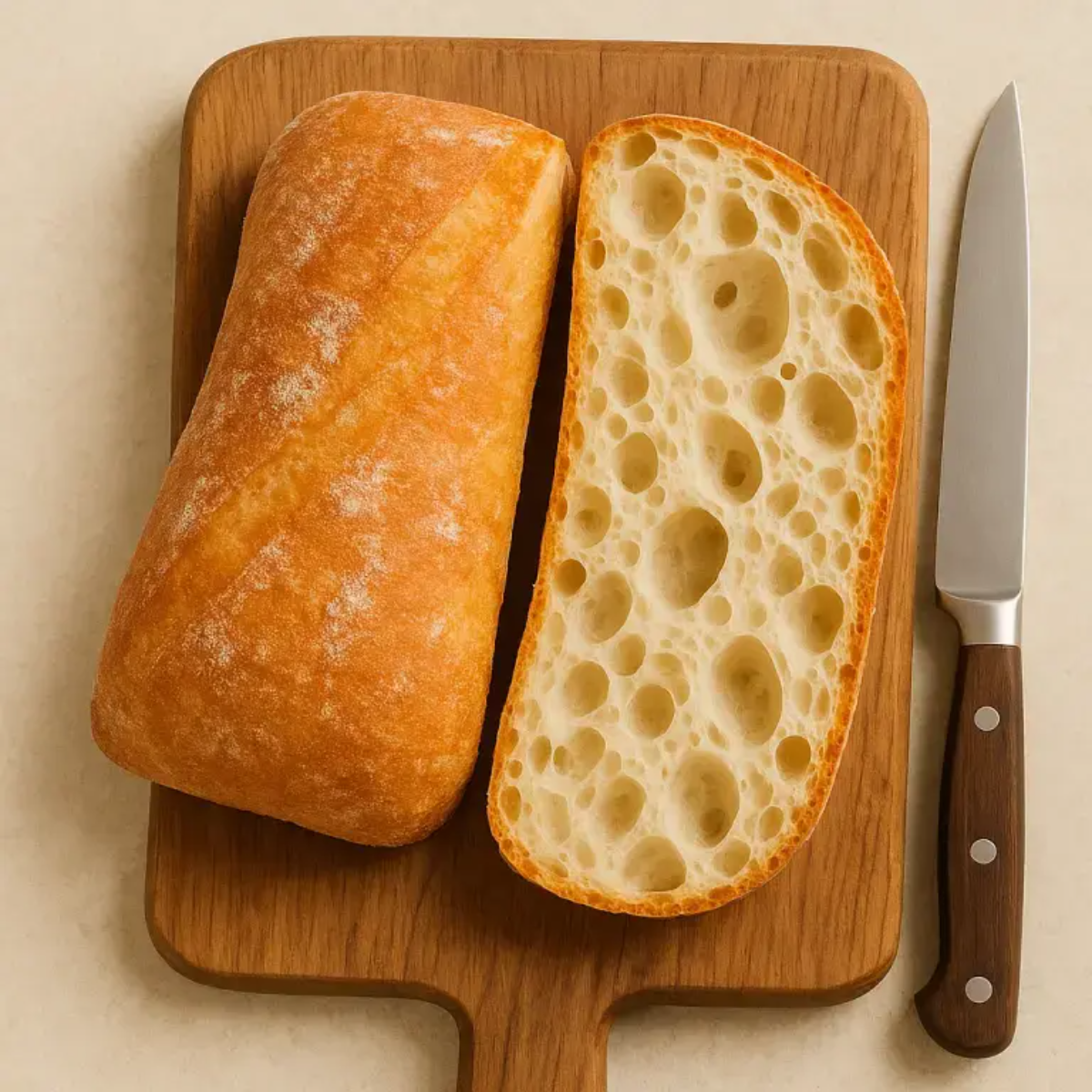
With a little attention, your sourdough starter will continue producing excellent bread no matter how hot the weather becomes.